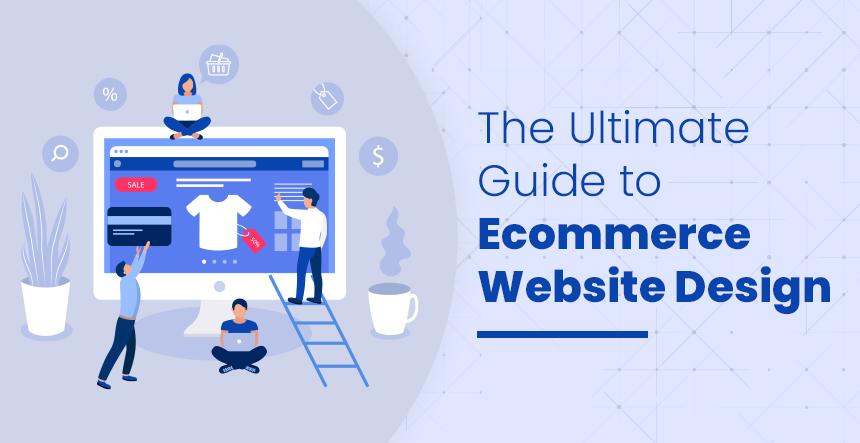
Introduction to E-Commerce Website Development
In today’s digital-first world, businesses thrive online — and at the heart of every successful online business lies a robust, user-friendly, and conversion-driven E-Commerce website. E-Commerce Website Development is the process of building and optimizing online platforms that allow businesses to sell products or services directly to customers through the internet.
A well-developed e-commerce site not only showcases products but also ensures seamless navigation, secure transactions, and a delightful user experience. As consumer habits shift toward digital shopping, having a professional and scalable online store is no longer optional — it’s a necessity for survival and growth in 2025.
What Is E-Commerce Website Development?
E-Commerce Website Development encompasses the planning, designing, programming, and deploying of websites specifically created for online sales. This includes building everything from the shopping cart and payment systems to customer support chatbots and mobile apps.
It’s not just about selling products online — it’s about building trust, offering personalized experiences, and ensuring 24/7 accessibility for global customers. Developers use frameworks like React, Node.js, and PHP to ensure smooth functionality and strong backend support.
Importance of E-Commerce Websites in the Digital Economy
The global digital economy continues to grow at a staggering pace, with online sales projected to exceed $7 trillion by 2025. An optimized e-commerce website allows businesses to reach wider audiences, automate transactions, and build long-term relationships through personalized marketing strategies.
Moreover, the data analytics capabilities of modern e-commerce systems enable companies to make data-driven decisions, improving conversion rates and customer satisfaction.
Understanding Different Types of E-Commerce Websites
B2B (Business-to-Business) Platforms
These websites cater to wholesale or industrial clients, offering bulk purchasing options and custom pricing models. Examples include Alibaba and ThomasNet.
B2C (Business-to-Consumer) Stores
The most common type, where businesses sell directly to consumers — think of Amazon or Nike’s online store. These platforms focus on user experience, branding, and digital marketing.
C2C (Consumer-to-Consumer) and D2C (Direct-to-Consumer) Models
C2C websites, such as eBay, enable users to sell products directly to each other. D2C models like Warby Parker or Glossier bypass intermediaries to engage customers directly, increasing profitability.
Key Features of a Successful E-Commerce Website
User-Friendly Navigation and Design
A clean, intuitive layout is critical for keeping visitors engaged and reducing bounce rates. Simple menus, clear product categories, and quick search functions enhance usability.
Secure Payment Gateways and Data Protection
Integrating trusted payment gateways like PayPal, Stripe, or Razorpay builds credibility. Adding SSL certificates, two-factor authentication, and encryption ensures customer safety.
Mobile Responsiveness and App Integration
With over 70% of purchases made on smartphones, your e-commerce site must adapt seamlessly to different screen sizes and integrate smoothly with mobile apps.
SEO Optimization and Page Speed
Fast-loading, search-optimized websites rank higher on Google and drive more organic traffic. Optimizing images, using schema markup, and compressing code enhances both SEO and UX.
Steps Involved in E-Commerce Website Development
Step 1: Market Research and Competitor Analysis
Before writing a single line of code, it’s crucial to understand your target audience, market gaps, and competitors’ strengths.
Step 2: Choosing the Right E-Commerce Platform
Select from popular platforms like Shopify, WooCommerce, or Magento based on your budget and technical expertise.
Step 3: Designing a Conversion-Focused User Interface
Every design element — from color palettes to call-to-action buttons — should encourage conversions and reflect your brand identity.
Step 4: Backend Development and Database Setup
Backend systems manage product inventory, payment processing, and user authentication. Developers often use Node.js, Python, or Laravel for scalable architecture.
Step 5: Testing, Launch, and Maintenance
Comprehensive testing ensures functionality across devices. Post-launch maintenance includes performance monitoring, updates, and customer feedback integration.
Popular Platforms for E-Commerce Website Development
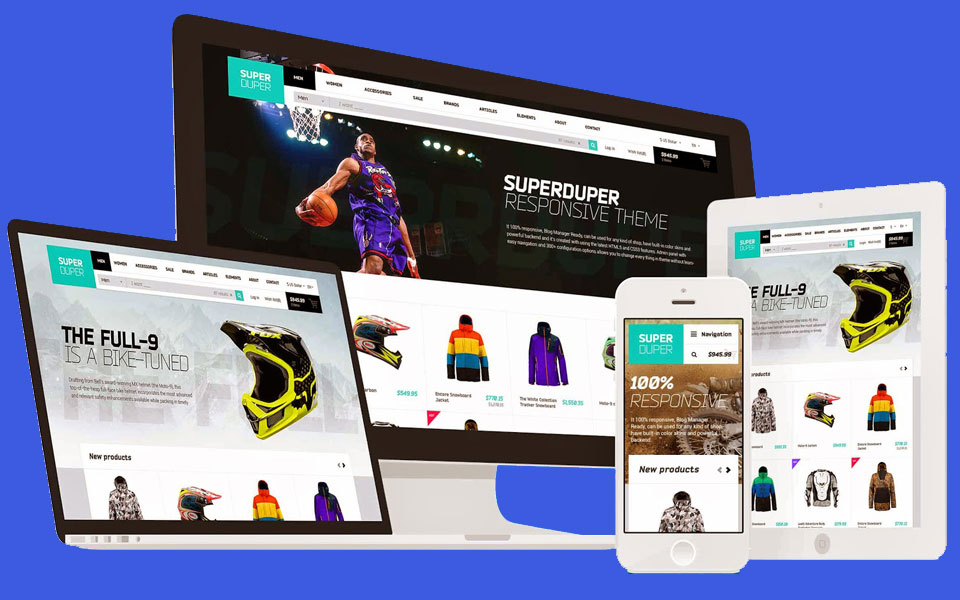
The right platform forms the foundation of any successful online store. In 2025, businesses have access to several powerful platforms that cater to different needs, budgets, and technical expertise levels.
Shopify
Shopify remains one of the most popular choices for entrepreneurs and small businesses. It offers a hosted solution, meaning users don’t need to worry about server management or security updates. With thousands of plugins and responsive templates, Shopify allows quick store setup and smooth integration with payment systems and marketing tools.
WooCommerce
Built on WordPress, WooCommerce is perfect for those who want customizability and control. It’s open-source and integrates seamlessly with WordPress SEO plugins like Yoast. While it requires a bit more technical know-how, it’s ideal for brands that want to manage both content and commerce efficiently.
Magento
Magento (now Adobe Commerce) is a powerhouse for large-scale enterprises. It supports extensive product catalogs, advanced customization, and scalability. However, it demands a professional development team and robust hosting, making it better suited for established businesses.
BigCommerce
BigCommerce combines user-friendly design with advanced functionality. Its headless commerce capability allows businesses to use multiple front-end technologies while maintaining a strong backend — perfect for omnichannel retail strategies.
Custom-Built Solutions
For brands with unique needs, a custom e-commerce website offers full flexibility. Developers can design bespoke solutions using frameworks like Laravel, Django, or Node.js. While costlier, custom builds ensure total control over user experience, data flow, and performance.
Essential Tools and Technologies Used
To build a high-performing e-commerce website, developers rely on a tech stack that enhances both functionality and performance.
Front-End Frameworks (React, Angular, Vue.js)
These JavaScript frameworks help create dynamic and responsive user interfaces. React is favored for its performance, Angular for enterprise-level stability, and Vue.js for lightweight efficiency.
Backend Technologies (Node.js, PHP, Python, Laravel)
The backend ensures smooth processing of user requests, order management, and database operations. Node.js is known for scalability, PHP for versatility, and Laravel for its elegant structure.
Payment APIs and Analytics Tools
Secure payment integrations like Stripe, Razorpay, and PayPal ensure seamless transactions. Meanwhile, analytics tools such as Google Analytics 4 and Hotjar help businesses understand user behavior and optimize conversion rates.
SEO and Marketing Strategies for E-Commerce Websites
Even the most beautiful e-commerce website will struggle without visibility. Search engine optimization (SEO) and digital marketing ensure that your site attracts quality traffic and converts visitors into customers.
On-Page SEO Techniques
Include target keywords in product titles, descriptions, and meta tags. Optimize images with alt text, create SEO-friendly URLs, and maintain a logical site structure. Adding internal links between related products improves navigation and boosts ranking potential.
Social Media Marketing and Influencer Collaborations
Social platforms like Instagram, TikTok, and Pinterest are ideal for showcasing products. Collaborating with influencers or micro-influencers can increase brand trust and drive organic engagement.
Email Marketing and Retargeting
Email remains a top-performing marketing channel. Use newsletters, abandoned cart reminders, and personalized offers to nurture leads. Retargeting ads on Google or Facebook help re-engage potential customers who didn’t complete purchases.
Common Challenges in E-Commerce Development and How to Overcome Them
Building and managing an e-commerce platform involves navigating several challenges, but with the right strategies, these obstacles can be turned into opportunities.
Security Threats and Fraud Prevention
Cybersecurity threats like phishing, DDoS attacks, and data breaches are growing concerns. Businesses can safeguard themselves through SSL encryption, regular audits, and two-factor authentication.
Cart Abandonment and User Experience Issues
Nearly 70% of shoppers abandon their carts before checkout. Reducing form fields, offering guest checkout, and displaying trust badges can improve conversion rates. Implementing an exit-intent popup or discount code can also recover lost sales.
Managing Scalability and Performance
As your business grows, so does the traffic. Using cloud hosting and content delivery networks (CDNs) ensures your site can handle spikes in visitors without downtime.
Cost of E-Commerce Website Development in 2025
The cost of e-commerce development varies widely depending on the scope, design complexity, and functionality required.
Factors Affecting Development Costs
- Platform choice – Shopify may cost less initially, while Magento or custom-built sites demand larger investments.
- Design customization – Custom designs and UX enhancements increase expenses.
- Features and integrations – Advanced functionalities like chatbots, subscription systems, or AI recommendations raise costs.
- Ongoing maintenance – Hosting, security updates, and marketing add recurring costs.
Budgeting Tips for Businesses
- Start small and scale as your traffic grows.
- Use open-source tools when possible.
- Outsource development tasks strategically.
- Invest in SEO and marketing early to ensure ROI.
Typically, small businesses might spend $2,000–$10,000, while enterprise-level projects can exceed $50,000+.
Future Trends in E-Commerce Website Development
The world of e-commerce is rapidly evolving. To stay competitive, businesses must embrace new technologies and trends shaping the future.
AI and Machine Learning Integration
AI enables personalized product recommendations, predictive analytics, and intelligent chatbots. Platforms like Shopify already use AI to automate product tagging and dynamic pricing.
Augmented Reality (AR) Shopping Experiences
AR lets shoppers visualize products in their real environment — such as trying on glasses or previewing furniture — increasing confidence and reducing returns.
Voice Commerce and Chatbots
Voice-activated shopping via assistants like Alexa or Google Assistant is rising. Meanwhile, chatbots enhance customer service by offering instant responses and 24/7 support.
FAQs About E-Commerce Website Development
1. How long does it take to develop an e-commerce website?
It typically takes 4 to 12 weeks, depending on design complexity, features, and testing requirements.
2. Which platform is best for beginners?
Shopify and WooCommerce are the best for beginners due to their user-friendly interfaces and extensive support.
3. How can I improve my website’s loading speed?
Compress images, use caching plugins, optimize code, and host your website on a CDN for faster performance.
4. Is SEO important for e-commerce websites?
Absolutely! SEO drives organic traffic, reduces ad costs, and boosts brand visibility on search engines.
5. How can I make my online store more secure?
Use SSL certificates, implement secure payment gateways, and update plugins regularly to avoid vulnerabilities.
6. What’s the difference between a custom-built and platform-based e-commerce site?
Custom-built sites offer full flexibility and scalability, while platform-based solutions provide ease of use and faster setup.
Conclusion: Building a Scalable, Profitable E-Commerce Store
E-Commerce Website Development is more than just creating an online storefront — it’s about crafting a digital experience that builds trust, encourages repeat purchases, and scales with your business growth. Whether you choose Shopify for simplicity, WooCommerce for flexibility, or a custom solution for full control, success comes from blending design, technology, and marketing seamlessly.
By prioritizing security, SEO, mobile responsiveness, and continuous improvement, your e-commerce website can become a powerful engine for business growth in 2025 and beyond.