Understanding the Core Roles in Web Creation
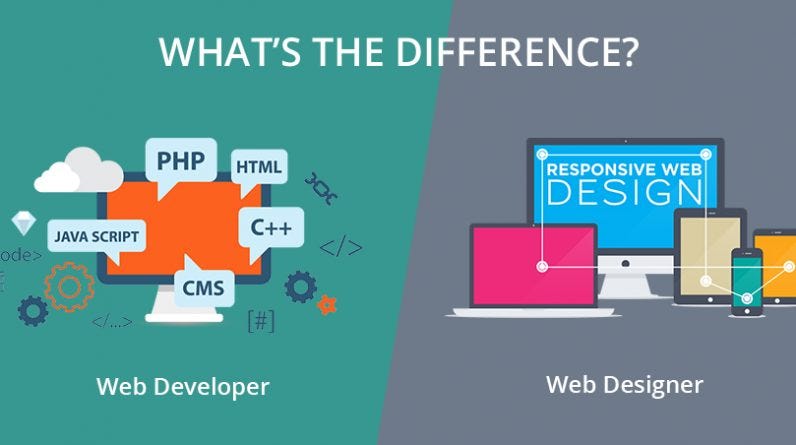
When it comes to building a website, two critical roles often come into play: the website developer and the website designer. Though these titles sound similar, they serve distinct yet complementary purposes. In simple terms, web developers build the structure and functionality of a website, while web designers focus on its appearance and user experience.
A successful website requires both — the designer creates the blueprint, and the developer brings that blueprint to life using code. Let’s dive deeper into what each role entails and how they differ.
What is a Website Developer?
A website developer is responsible for transforming a website’s design into a fully functioning digital experience. They use programming languages and frameworks to create websites that are interactive, responsive, and efficient. Developers ensure that everything works smoothly behind the scenes — from the navigation menu to the contact forms.
Key Responsibilities of a Web Developer
A web developer’s daily tasks often include:
- Writing clean, efficient, and scalable code.
- Developing both front-end (user interface) and back-end (server-side) systems.
- Managing databases, APIs, and hosting environments.
- Debugging and troubleshooting website performance issues.
- Ensuring mobile responsiveness and browser compatibility.
Types of Website Developers
There are three main types of web developers:
- Front-End Developers – Handle what users see and interact with. They use HTML, CSS, and JavaScript.
- Back-End Developers – Manage the server, database, and application logic using languages like Python, PHP, or Node.js.
- Full-Stack Developers – Skilled in both front-end and back-end development, bridging the gap between design and functionality.
What is a Website Designer?
A website designer focuses on the visual layout and user experience of a website. Their goal is to make the site visually appealing and easy to navigate. They work closely with clients to understand brand identity and translate it into an engaging digital design.
Key Responsibilities of a Web Designer
- Creating wireframes, prototypes, and mockups.
- Designing layouts, color palettes, and typography.
- Ensuring user-friendly navigation and consistency.
- Enhancing UX (User Experience) and UI (User Interface).
- Collaborating with developers to ensure design feasibility.
Types of Website Designers
- UX Designers – Focus on the overall user journey.
- UI Designers – Concentrate on the visual interface and interactivity.
- Visual Designers – Blend graphic design with digital elements.
- Graphic Web Designers – Specialize in visual content, branding, and icons.
Skills Comparison: Developer vs Designer
| Category | Website Developer | Website Designer |
| Core Focus | Functionality & performance | Visuals & user experience |
| Key Tools | VS Code, Git, Node.js, React | Figma, Adobe XD, Photoshop |
| Main Skills | Coding, debugging, problem-solving | Creativity, design thinking, color theory |
| Output | Dynamic, interactive website | Beautiful, intuitive layout |
| Collaboration | Works with designers and content teams | Works with developers and clients |
Both roles are essential. A developer’s work ensures stability and interactivity, while a designer ensures visual appeal and usability.
Tools and Technologies Used by Each Role
Developers rely on:
- Languages: HTML, CSS, JavaScript, Python, PHP, Ruby
- Frameworks: React, Angular, Laravel, Django
- Tools: GitHub, Visual Studio Code, Docker
Designers use:
- Design Tools: Adobe XD, Figma, Sketch, Canva
- Prototyping Tools: InVision, Marvel App
- Graphic Tools: Photoshop, Illustrator
This combination of creativity and technicality ensures that the end product is both beautiful and functional.
How Website Developers and Designers Collaborate

Despite their differences, developers and designers must collaborate closely. Designers begin with visual mockups, which developers then convert into functioning websites. Communication is key — without clear collaboration, even the best designs can fail in execution.
Teams often use platforms like Slack, Trello, or Asana to streamline communication and project management.
Salary and Career Growth Comparison
According to 2025 industry data:
- Web Developers earn an average of $60,000–$120,000 annually depending on experience and location.
- Web Designers typically earn between $50,000–$100,000 annually.
Developers generally command higher salaries due to their technical expertise, but designers often enjoy more creative freedom and flexibility.
Both roles offer strong career growth with remote and freelance opportunities on the rise.
Education and Training Pathways
While neither career strictly requires a degree, formal education can help.
- Developers often pursue Computer Science degrees or attend coding bootcamps (e.g., Codecademy, FreeCodeCamp).
- Designers might study Graphic Design or UI/UX Design via platforms like Coursera or Udemy.
Certifications and project portfolios are more valuable than diplomas in this field.
Pros and Cons of Each Role
| Aspect | Web Developer | Web Designer |
| Pros | High demand, strong salary, remote flexibility | Creative work, visual impact, user engagement |
| Cons | Complex problem-solving, debugging stress | Client feedback loops, design revisions |
| Ideal For | Logical thinkers, coders, problem-solvers | Creative thinkers, artists, UX enthusiasts |
Which Role is Right for You?
If you enjoy logic, structure, and coding, web development may suit you.
If you love creativity, colors, and user psychology, web design could be your calling.
Many professionals eventually combine both skills, becoming full-stack web professionals capable of handling design and development seamlessly.
The Future of Web Development and Design
The future is bright for both careers. AI-powered tools like Wix ADI, Figma AI, and GitHub Copilot are revolutionizing the industry, automating repetitive tasks while enhancing creativity and efficiency.
Developers and designers who adapt to these technologies will stay ahead in an ever-changing digital landscape.
Frequently Asked Questions (FAQs)
1. Can one person be both a developer and designer?
Yes! Many professionals are “hybrids,” capable of both designing and coding websites.
2. Which is harder: web design or web development?
It depends on your strengths — development is more technical, while design demands creativity.
3. Do web developers need to know design?
Basic design understanding helps developers create more user-friendly interfaces.
4. What’s the best career for beginners?
Web design is often easier to start with, while web development offers deeper technical learning.
5. Are both roles in demand?
Absolutely. Businesses need both designers and developers to build competitive websites.
6. What tools should I learn first?
Beginners can start with Figma for design or HTML/CSS for development.
Conclusion
In summary, Website Developer vs Website Designer isn’t about competition — it’s about collaboration. Developers bring a designer’s vision to life through code, while designers make sure the final product is visually stunning and user-friendly.
Whether you choose to design, develop, or master both, the digital world offers endless opportunities to grow, create, and innovate.